Battery storage · Solar EPC · Field crews

The tax credit is locked in. The crews are not.

Developers that started construction before July 4, 2026 have until the end of 2030 to place projects in service. The constraint is no longer capital or equipment — it is people who can build. We bring engineering, EPC execution and field crews, with a utility-scale storage program already delivered on U.S. soil.

174 MWBattery storage program, Puerto Rico
300,000+Solar modules installed
53,000U.S. solar workers short by late 2026
2033Storage ITC runs to

Workforce gap: 2025 U.S. Energy & Employment Report and IREC National Solar Jobs Census, as reported by pv magazine USA, April 2026. Tax credit dates reflect the 2025 budget reconciliation act and are subject to change — confirm with your tax counsel.

The market as it actually is

Safe-harbored equipment now exceeds the industry's capacity to install it

The 2025 reconciliation act redrew the map. Projects that began construction by July 4, 2026 keep the 30% investment credit and have four years — to December 31, 2030 — to reach commercial operation. Projects starting after that date must be placed in service by the end of 2027 to qualify at all.

The result is a wall of committed work with a hard deadline. Modules and racking were bought. Financing closed. What is missing is execution capacity: industry analysts put the need at 30 to 50 additional EPC crews in a very short window, against a workforce shortfall of roughly 53,000 people by late 2026.

Meanwhile interconnection queues in regions such as ERCOT stretch five to eight years, and transformers and breakers remain on long lead times. Schedule risk moved from the supply chain to the job site.

What that means for your project

  • Equipment secured does not mean the project gets built on time
  • Crew availability, not module price, is now the schedule driver
  • The 15% apprentice-hours requirement adds a staffing constraint to credit value
  • Battery storage keeps the 30% credit for construction starts through 2033 — it is the durable side of the market
  • FEOC sourcing rules from January 1, 2026 add a documentation burden to procurement

General information, current as of August 2026. Credit eligibility depends on project-specific facts and dates. Not tax advice.

Four ways we work

Engineering, execution, crews — or all three
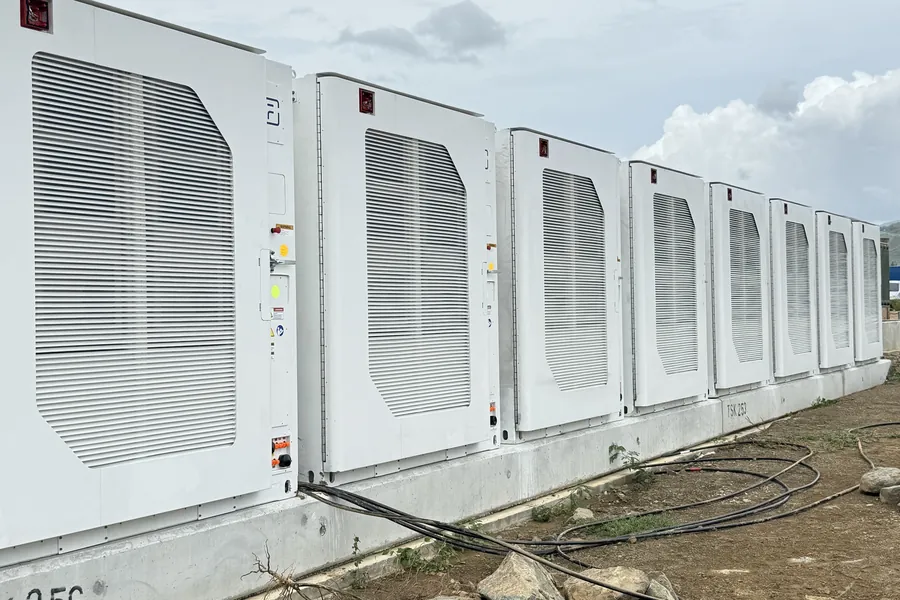
Containerized battery energy storage installed on concrete foundations

Energy storage

Sizing, integration, installation and commissioning of containerized BESS, including systems co-located with existing generation. Tesla Energy partner.
Read more →

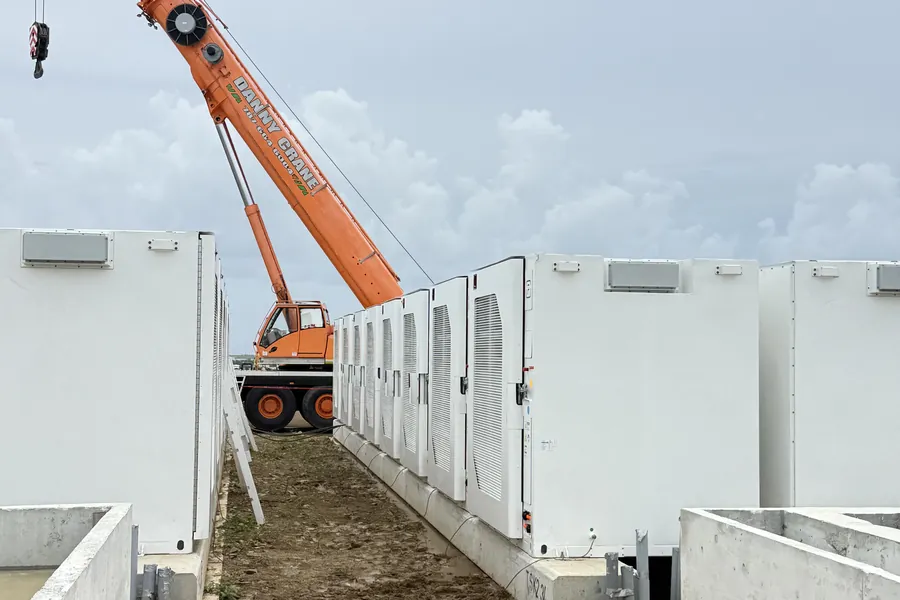
Crane setting battery enclosures during construction

Solar EPC

Utility-scale and commercial. Civil works, pile driving, mechanical assembly, MV/LV, substation, commissioning and energization.
Read more →

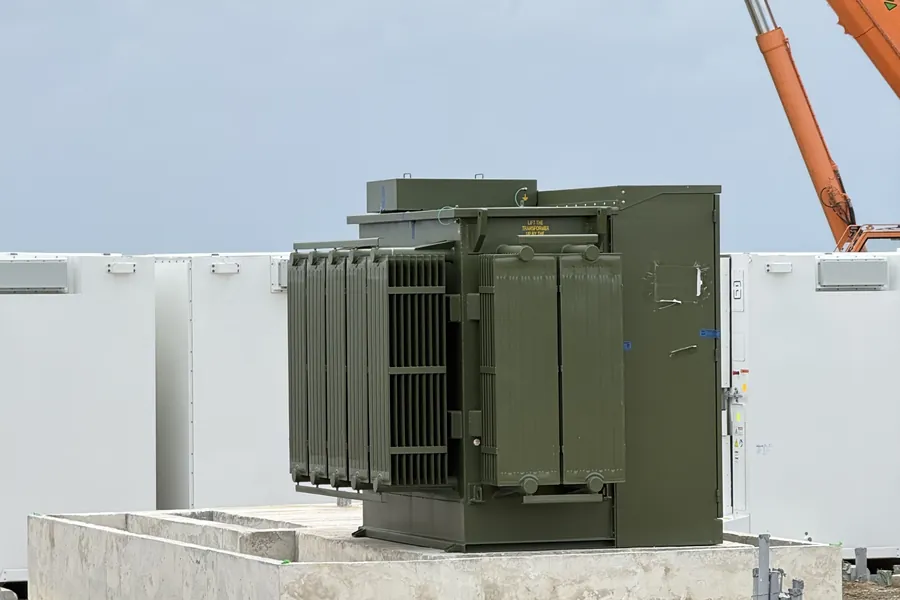
Transformer being set on its foundation

Crews and workforce

Trained field crews and supervision supplied to EPCs, developers and primes that are short of capacity. Mobilization measured in weeks, not quarters.

Read more →

Oilfield power — Texas

Off-grid solar and storage from 5 to 10 kW to run artificial lift on remote wells, where a line extension costs more than the well earns.

Read more →

Federal and public work

Registered for federal contracting with UEI and D-U-N-S on file, NECA member, contractor registrations in Delaware, New York and Puerto Rico.

Read more →

Operations and maintenance

Preventive and corrective maintenance, performance monitoring and asset support after energization — on our builds and on assets we did not build.

Talk to engineering →

Proof on U.S. soil

Puerto Rico is the hardest grid in the United States. We build there.

Puerto Rico is a U.S. territory, and it is where our largest program runs: a 174 MW battery storage build with more than 300,000+ solar modules installed. Tropical heat, salt air, hurricane exposure and a fragile grid — the conditions that expose weak engineering fastest.

The photographs on this site are from that job. Not stock, not renders.

See the program

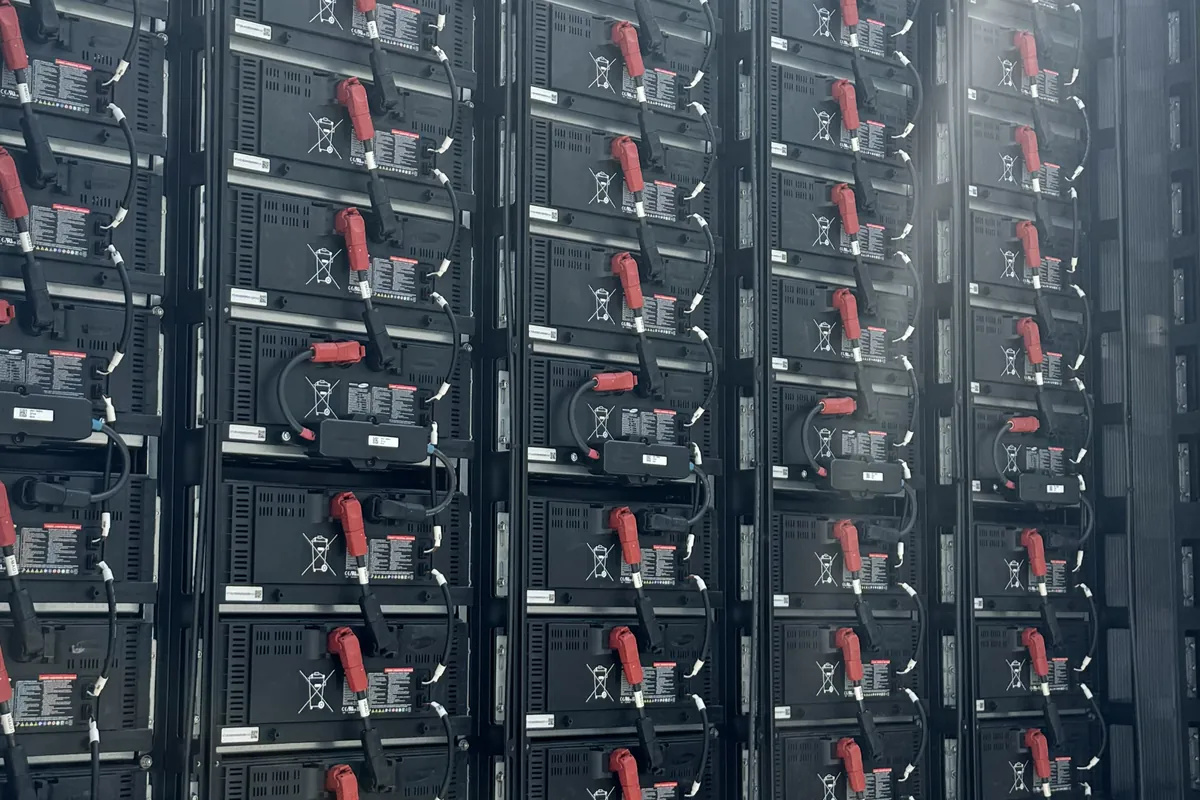
Battery racks and power cabling inside a storage module
Inside a storage module: battery racks and power cabling. One Energy America, Puerto Rico.

Talk to engineering

Twenty months of committed work, and not enough crews

If your project is safe-harbored, the question is no longer whether it pencils. It is whether there is a crew available when the equipment lands. Tell us the scope and the date and we will tell you honestly what we can hold.

  • Utility-scale storage delivered on U.S. soil
  • Own crews, own supervision, own equipment
  • Registered federal contractor, NECA member
  • Tesla Energy partner for storage integration

+1 (212) 220-8594
supply.solutions@oneenergyamerica.com
One World Trade Center, 85th Floor, New York, NY 10007

Tell us what you need to build

Scope, location and date. We answer with a read on schedule and crew availability.

We use your details only to reply to this request. No lists, no resale.

One Energy Group

The group

One Energy Group

An energy engineering company with its own operations in the United States, Canada and Brazil — with Portugal on the way. Same technical team, same execution standards, adapted to each market.

BrazilSão PauloStorage, solar EPC, retrofit and data centresCanadaCalgary, AlbertaSolar, BESS and cold-climate microgrids
United StatesNew YorkStorage, EPC, crews and oilfield powerYou are here
PortugalLisbonOperation being set upComing soon